Cultural heritage has always been fragile, but in 2025, the threats facing languages, art, and historic traditions are accelerating at a faster rate, making digital cultural preservation more urgent than ever.
Climate change, rapid urbanization, globalization, and political instability continue to place pressure on vulnerable communities. At the same time, digital technology has emerged as one of the most potent tools for safeguarding cultural memory. From 3D scanning of ancient ruins to AI-assisted language preservation, countries and organizations are using digital innovation to protect traditions that might otherwise be lost.
As more societies recognize the urgency of preservation, digitization is becoming central to how the world records, archives, and shares its collective history. The digital age is not replacing culture; it is extending its lifespan and expanding its reach.
Digitizing Heritage Sites and Artifacts for Future Generations
One of the most transformative efforts in cultural preservation involves the digital documentation of physical heritage. High-resolution 3D scans, photogrammetry, and drone mapping now capture the precise details of ancient monuments, sculptures, and archaeological sites with unprecedented accuracy. These digital replicas enable historians to study delicate structures without causing damage, and they serve as backups in the event of natural disasters or conflict-related destruction.
Countries like Italy, Egypt, and Greece have invested heavily in digitizing their most iconic sites. In Syria and Iraq, organizations have used 3D modeling to recreate monuments lost to conflict.
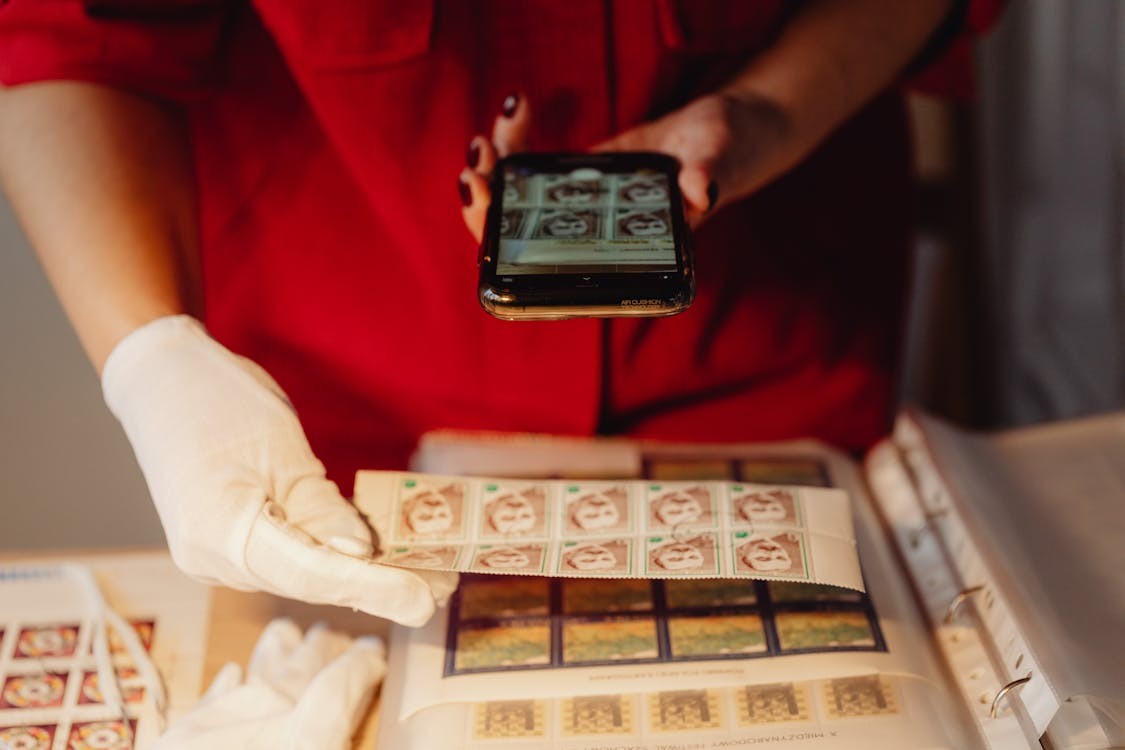
Museums worldwide are creating digital heritage archives of their collections, making cultural treasures accessible to global audiences who may never have the opportunity to visit in person. These digital records ensure that even if a site is altered or destroyed, its likeness and its cultural significance live on.
See Streaming Without Borders: Global Media in the Age of Algorithms for more on how digital platforms reshape what the world sees.
Preserving Languages Through AI and Digital Learning Tools
Half of the world’s 7,000 languages are endangered, with many spoken by fewer than 500 people. Digital tools have become essential in documenting and revitalizing these languages. AI-powered transcription platforms assist linguists in recording vocabulary, grammar, and pronunciation. Meanwhile, mobile apps and online courses make endangered languages accessible to younger generations.
Communities in Australia, the Amazon, and the Arctic are working with researchers to create digital dictionaries, audio archives, and language-learning games. AI can generate translations, help reconstruct lost grammatical patterns, and analyze rare linguistic structures more efficiently than human researchers alone. For many cultures, this technology represents their best opportunity to pass their language on to future generations.
By preserving language, digital tools help safeguard identity, oral history, and worldviews that cannot be captured through artifacts alone.
For another angle on language, check out The Language of the Internet: Which Tongues Are Rising?
Digital Museums, VR Experiences, and Global Access to Culture
The digital world is also changing how people experience culture. Virtual museums and immersive VR exhibitions allow users to explore ancient temples, historic battles, or traditional festivals from anywhere. These digital environments do more than entertain. They provide meaningful access to cultural knowledge for students, researchers, and the general public.
Institutions such as the British Museum, the Smithsonian Institution, and the Louvre are expanding their online collections and offering interactive tours. Smaller communities are also using digital storytelling platforms to showcase their traditions, music, handicrafts, and oral histories. By putting culture online, regions that were once overlooked can reach global audiences and build awareness of their heritage.
This accessibility strengthens cultural pride and encourages international appreciation for traditions that might otherwise remain isolated.
Don’t miss Education Everywhere: The Worldwide Shift to Micro-Learning to explore how digital tools transform education.
Challenges in a Digital Preservation Era
Despite its benefits, digital preservation also faces challenges. Archiving requires substantial storage infrastructure, ongoing maintenance, and protection from cyber threats. Without proper planning, digital information can degrade or become obsolete as file formats and technologies evolve.
There are also ethical considerations. Not all cultural knowledge is meant to be public. Some communities hold sacred or private traditions that require careful control over digital access. Collaborative preservation efforts must respect cultural boundaries and empower communities to decide how their heritage is represented.
Additionally, digitization risks prioritizing cultures with funding and technical resources, potentially widening the gap between well-documented and underrepresented traditions.
For context on who can access digital archives, read The Digital Divide: Internet Access Gaps Around the Globe.
A Future Where Technology and Tradition Work Together
The digital age presents unprecedented opportunities to preserve cultural heritage, but technology is most effective when combined with community leadership. Local voices, historians, and cultural practitioners play crucial roles in ensuring that digital archives reflect authentic narratives and provide meaningful context.
In 2025, cultural preservation is no longer confined to museums and academic institutions. It is a global partnership between technology, tradition, and community. By embracing these tools responsibly, societies can protect their past while educating and inspiring future generations.