
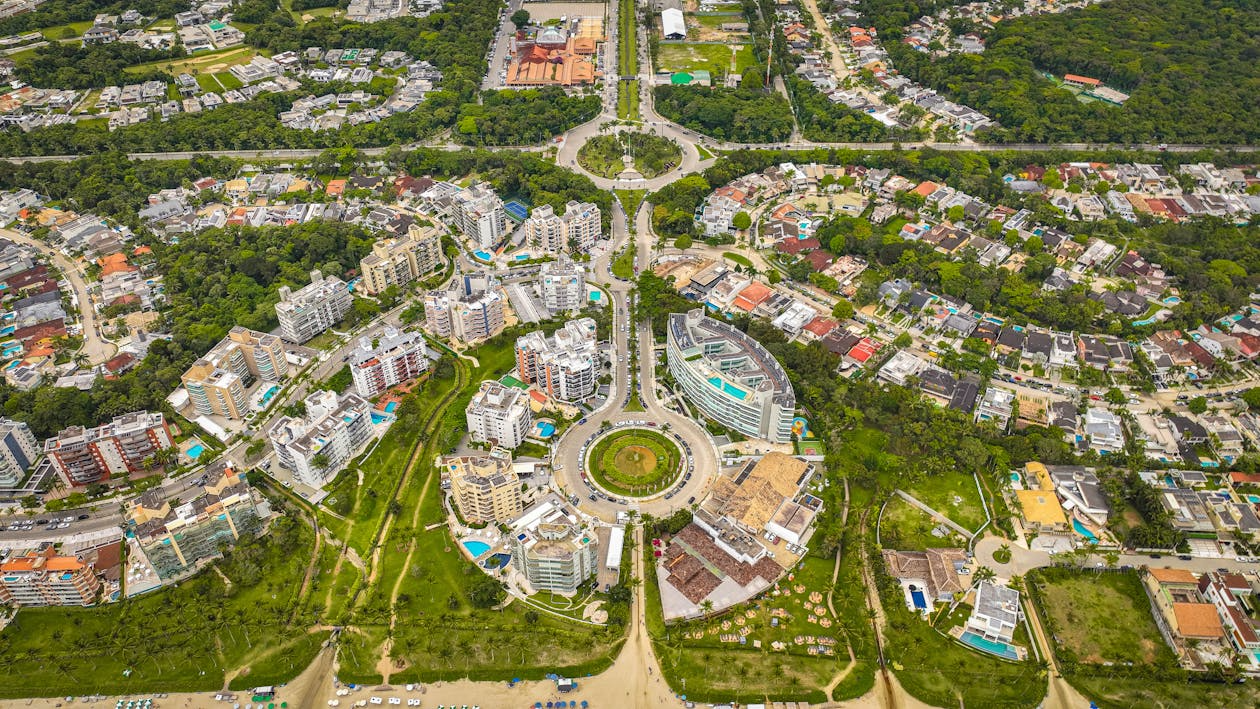
Cities around the world are undergoing profound transformation in 2025, redefining the future of global cities. Fueled by climate challenges, population pressures, and technological progress, global urban centers are rethinking how people move, live, work, and interact with their surroundings.
From redesigned transportation systems to climate-resilient architecture, today’s most innovative cities are embracing new models of urban life that prioritize sustainability, efficiency, and human well-being.
These reinventions reflect a broader shift: the future of cities is no longer defined by endless expansion but by smarter design, cleaner infrastructure, and more equitable access to essential services. As populations grow and environmental pressures intensify, cities are becoming laboratories for the next era of global living.
Smart Mobility: Cities Designing Transit for a New Era
Many of the world’s most forward-thinking cities are redesigning urban mobility around low-emission transportation and digital efficiency. Electric buses, autonomous shuttles, and integrated mobility apps are becoming standard components of modern transit systems.
Cities like Singapore, Amsterdam, and Seoul lead the way with seamless multimodal networks that combine buses, trains, bikes, and ride-sharing into unified platforms. These systems help reduce congestion, cut emissions, and make commuting more convenient. AI-driven traffic management adjusts signals dynamically to reduce gridlock, while expanded bike lanes encourage healthier, eco-friendly travel.
Some cities are experimenting with car-free zones and pedestrian-first downtowns. Barcelona’s “superblocks,” Paris’s 15-minute neighborhood design, and Oslo’s zero-car city center are prime examples of a global movement away from car dependency and toward walkable, people-centered urban planning.
For more on how cleaner transport is reshaping roads, see Tracking the Global EV Surge.
Green Infrastructure and Climate-Resilient Design
As climate risks rise, cities are prioritizing resilience. Extreme heat, flooding, and air pollution are pushing urban planners to innovate in green infrastructure and adaptive design.
Urban forests, green roofs, and vertical gardens are becoming widespread tools for cooling cities and improving air quality. Cities such as Melbourne, Vancouver, and Copenhagen are expanding green corridors that support biodiversity while mitigating the effects of heat islands.
Water management is also a key focus. Coastal cities like Rotterdam and Jakarta are using floating neighborhoods, elevated walkways, and advanced flood barriers to defend against rising sea levels. Meanwhile, sponge-city strategies, prominent in Chinese cities, use permeable surfaces and natural water absorption systems to manage heavy rainfall.
These initiatives demonstrate how cities can integrate natural systems with urban architecture to address environmental threats while enhancing the quality of life.
Check out The Green Energy Race: Who’s Winning on Renewables? for a deeper dive on cleaner power.
Affordable Housing and the Future of Urban Living
Rapid urbanization continues to strain housing availability and affordability. Cities worldwide are experimenting with innovative models to address shortages and rising costs. Modular construction, micro-apartments, and 3D-printed housing offer faster and cheaper ways to expand the housing supply.
Vienna, long considered a leader in public housing, continues to inspire global cities with its affordable, high-quality social housing model. Other cities, such as Tokyo and Helsinki, focus on mixed-use zoning that allows for more flexible building types and walkable neighborhoods. Innovative policies, such as Singapore’s public-private homeownership programs, help maintain affordability in dense urban environments.
Co-living arrangements and community-based housing are also growing trends, especially among young professionals seeking lower costs and built-in social support networks.
Also read Tourism Reimagined: Post-Crisis Travel Patterns Around the World to understand how people move through cities.
Smart Technology for Safer, More Connected Cities
Smart city technologies are shaping urban management in 2025. Sensors embedded in roads, bridges, and buildings provide real-time data on the health of infrastructure. Public safety systems use AI to monitor hazards, detect emergencies, and dispatch services more efficiently.
Cities like Dubai, Shenzhen, and Chicago deploy integrated smart-city dashboards that coordinate sanitation, energy, water, and traffic systems. Digital twins, virtual replicas of entire urban environments, allow planners to simulate changes before implementing them in the real world.
At the same time, cities are striving to strike a balance between innovation and privacy concerns. Data governance frameworks and transparency standards are increasingly essential as digital monitoring expands.
Read The Digital Divide: Internet Access Gaps Around the Globe to understand who benefits from smart systems.
A More Inclusive and Sustainable Urban Future
The reinvention of global cities is not only about technology; it is about creating urban environments that are inclusive, livable, and sustainable. Community gardens, cultural districts, accessible public spaces, and inclusive design initiatives aim to ensure that revitalized cities work for everyone.
Cities that successfully adapt prioritize environmental stewardship, equitable development, and long-term planning. From transportation to housing to climate resilience, modern cities are embracing holistic strategies that make urban life healthier and more connected.
As global populations continue to grow, these innovations will shape the lives of billions of people in the decades ahead. The cities reinventing themselves today are building blueprints for the future of urban living.