
The world is entering a decade of rapid change, where technology, geopolitics, economics, and climate pressures intersect in ways that will shape daily life through 2030.
Rather than a single defining shift, the future will unfold through overlapping macro-trends that influence how people work, travel, communicate, and solve global challenges. These trends reveal a world becoming more interconnected, more digital, and more unpredictable, yet also full of new opportunities for innovation and resilience.
Here are the top 10 global trends poised to define the rest of the decade.
1. AI Everywhere: From Workflows to Personal Life
Artificial intelligence will become embedded in nearly every aspect of life, including healthcare diagnostics, supply chains, personal assistants, education, and entertainment. By 2030, “AI literacy” will be as essential as computer literacy was in the early 2000s. Nations investing early in AI talent and infrastructure will gain long-term strategic advantages.
Read How Artificial Intelligence Is Rewriting Global Newsrooms to dive deeper into how AI is transforming media.
2. Global Demographic Shifts and Aging Populations
Many developed nations are facing rapid aging, shrinking workforces, and increasing pension pressures. Meanwhile, Africa and parts of South Asia are experiencing youth-driven population booms. This demographic imbalance will reshape migration patterns, labor markets, and global economic influence.
3. Climate Acceleration and Adaptation Infrastructure
Extreme weather, rising sea levels, and droughts will compel governments to invest heavily in adaptation, such as seawalls, cooling centers, flood-resistant agriculture, and climate-resilient cities. Climate-driven migration is expected to increase, prompting the development of new international policies and humanitarian strategies.
See The Future of Food: Global Shifts in Agriculture and Diet to understand how climate reshapes what we eat.
4. The Fragmentation of the Global Economy
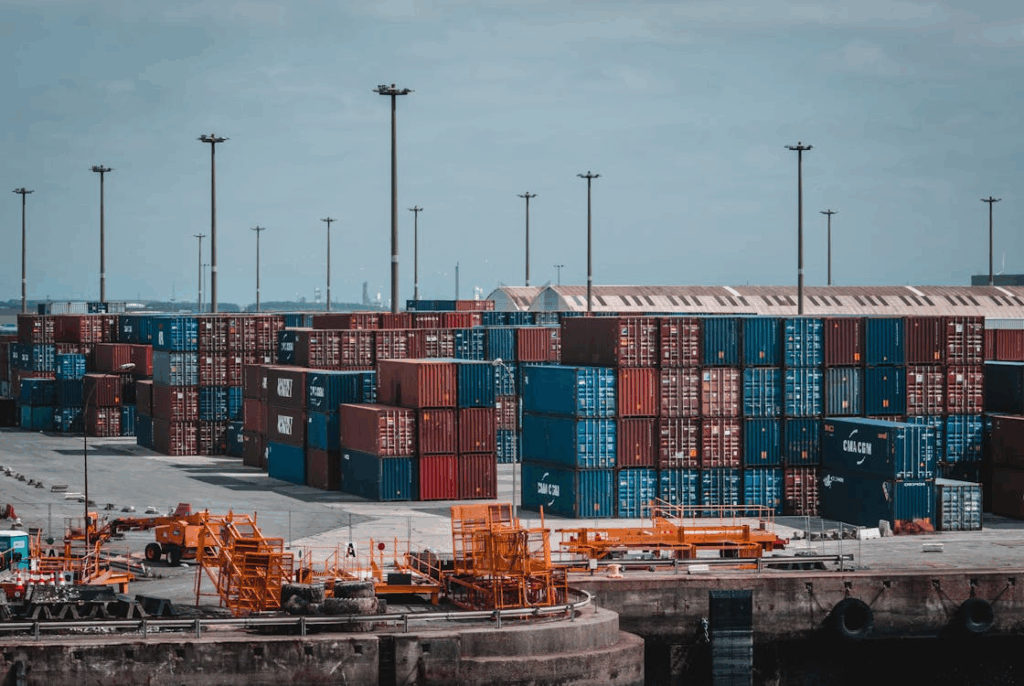
Economic blocs are becoming more defined as nations prioritize resilience over efficiency. Supply chains are diversifying, reshoring, or “friend-shoring.” This shift reduces vulnerability but raises costs and redefines global trade relationships. By 2030, regions such as Southeast Asia, the Gulf, and Africa are expected to play a larger role in global commerce.
5. Health Tech Transformation and Pandemic Readiness
Healthcare will increasingly rely on telemedicine, wearable diagnostics, gene therapy, and AI-assisted treatment. Lessons from COVID-19 drive ongoing investment in pandemic surveillance, vaccine platforms, and global health cooperation. Aging populations will accelerate demand for chronic-care innovation.
6. Space Becoming Commercial and Strategic
Space is moving from government-led exploration to commercial competition. Low-Earth-orbit satellites will transform global internet access, while lunar missions and asteroid-mining ventures become more viable. Space security, including satellite vulnerability, will emerge as a primary concern in global geopolitics.
For how launches reshape power in orbit, read The New Space Race: Private vs. Government Launches Worldwide.
7. The Energy Transition and New Resource Competition
Renewables are expected to surpass fossil fuels in new global energy investment. Countries will compete for leadership in batteries, hydrogen, rare earths, and grid technology. Emerging economies rich in key minerals will gain influence, while oil-dependent countries accelerate diversification to stay competitive.
8. A More Multipolar World Order
Power is diffusing away from traditional Western centers. China, India, the Gulf states, and other rising regions are gaining geopolitical and economic influence. Alliances will shift, regional institutions will strengthen, and cooperation will increasingly form around specific issues rather than rigid blocs.
9. Digital Culture Redefining Identity and Community
Virtual spaces, such as gaming worlds, creator platforms, and digital social ecosystems, will play a more significant role in shaping identity. Cross-border youth cultures will continue to grow, blending languages, aesthetics, and entertainment. At the same time, debates over digital privacy, online safety, and algorithmic power will intensify.
Check out Crypto Comeback or Collapse? Tracking Digital Currency in 2025 to see how digital money may shift markets.
10. Redefining Work Through Automation and Flexibility
Automation will reshape industries, eliminating some roles while creating new ones in robotics, cybersecurity, green tech, and AI governance. Hybrid work has become a global expectation, prompting cities to reinvent themselves and companies to compete for talent by offering flexibility and well-being benefits.
A Decade Defined by Complexity and Opportunity
The years leading to 2030 will be marked by rapid innovation, shifting power structures, and mounting environmental urgency. Nations, businesses, and communities that adapt quickly by embracing digital tools, sustainable practices, and inclusive growth will be best positioned to thrive. While uncertainty remains, these global trends offer a roadmap for understanding the forces shaping the future.