
The global transition to renewable energy has accelerated dramatically in 2025, reshaping power grids, investment flows, and international competition. The green energy race is no longer just about environmental goals. It is about economic advantage and strategic independence.
What was once a slow, idealistic shift toward sustainability has become a hard geopolitical race as countries fight to secure leadership in solar, wind, hydropower, battery storage, and green hydrogen. Nations that dominate renewables today will influence energy prices, climate commitments, and technological standards for decades to come.
Countries investing aggressively in renewables are reducing reliance on volatile fossil-fuel markets and positioning themselves as major exporters of clean technologies. As demand for low-carbon energy soars, the nation leading innovation and deployment is gaining unprecedented leverage on the global stage.
China: Scaling Renewables at an Unmatched Pace
China remains the global leader in renewable energy capacity, outpacing every other nation in both manufacturing and deployment. In 2025, the country is expected to continue dominating solar panel production, battery manufacturing, and wind turbine construction. Massive government investment, paired with strategic industrial planning, enables China to deploy clean energy infrastructure more quickly than any of its competitors.
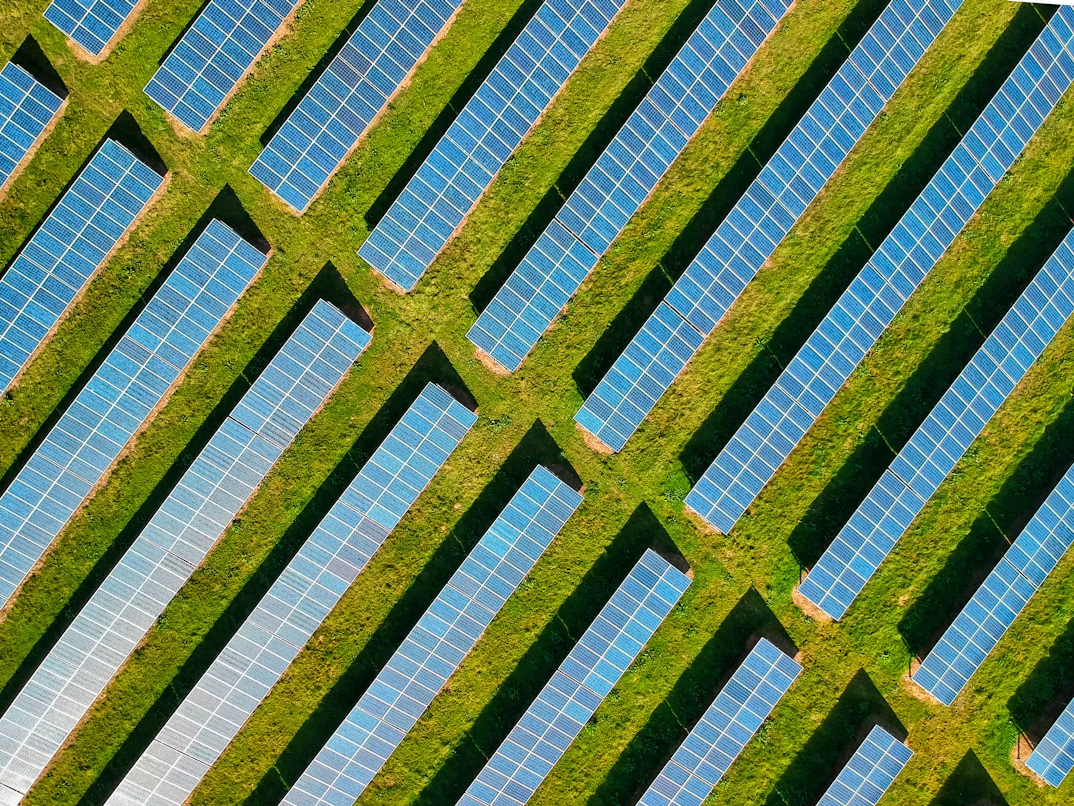
China’s solar expansion is particularly striking. Gigantic solar farms across deserts and rural regions now feed directly into the country’s national grid, helping it curb its reliance on coal. Offshore wind projects in the South China Sea and Bohai Bay also contribute to China’s rapid growth.
Despite concerns about emissions from its industrial sectors, China’s role in the global renewable energy sector is undeniable. It produces the majority of the world’s solar modules and batteries, making it a central player in the worldwide energy transition.
For a broader view of global energy transitions, see How Climate Tech Startups Are Rewiring Global Industry.
Europe: Innovation, Policy Leadership, and Offshore Wind Dominance
Europe maintains a strong leadership position through innovation, regulatory frameworks, and massive offshore wind development. The European Union’s climate commitments have driven consistent investment in grid modernization, electrification, and cross-border energy cooperation.
Countries like Germany, Denmark, and the Netherlands continue to expand their offshore wind farms, building clusters that supply millions of homes. These projects are supported by advanced transmission networks that allow renewable power to flow across borders with increasing efficiency.
Meanwhile, Spain and Portugal are advancing with large-scale solar installations, while France continues to integrate renewable growth with its existing nuclear infrastructure. The EU’s ability to coordinate energy policy across multiple nations remains one of its most significant advantages.
Europe also leads in green hydrogen development, attempting to secure a significant role in the emerging low-carbon fuel economy. If successful, hydrogen hubs could position the EU as a future global exporter of clean energy.
For more on how fast-growing economies, read Tracking the World’s Most Powerful Emerging Economies.
The United States: Surging Investment and New Energy Frontiers
The U.S. is experiencing a significant surge in renewable energy driven by federal incentives, private investment, and rapid technological innovation. Solar and wind capacity continue to expand at record levels, especially across the Southwest, Midwest, and Great Plains.
One of the most significant trends is the rise of large-scale battery storage. These projects help stabilize renewable power and address the challenge of intermittency, enabling solar and wind energy to play a larger role in the national grid.
Offshore wind development along the East Coast is also gaining momentum, with multi-billion-dollar projects set to power millions of homes. Meanwhile, the U.S. leads global innovation in next-generation technologies, including advanced nuclear reactors, carbon capture, and long-duration energy storage.
Competition between states plays a significant role in this growth. Texas, California, and Florida are among the biggest renewable-energy producers in the country, each contributing to America’s expanding clean-energy footprint.
Check out Cybersecurity at the Crossroads of Global Power to understand digital infrastructure.
India and Brazil: Emerging Green-Energy Giants
India and Brazil are emerging as significant forces in the expansion of renewable energy, driven by their abundant natural resources, large domestic markets, and ambitious national policies.
In India, solar capacity continues to grow rapidly, supported by government incentives and falling installation costs. India also leads in decentralized renewable systems, with rural communities adopting microgrids and rooftop solar at increasingly high rates. Wind and hydropower continue to be significant contributors as the country pursues energy independence and emission reductions.
Brazil, meanwhile, is reinforcing its reputation as a renewable powerhouse. The country’s vast hydropower network forms the backbone of its energy system, while solar and wind installations are expanding across northeastern regions—Brazil’s commitment to green energy positions it as a model for emerging economies seeking sustainable growth.
To see how cleaner transport fits, check out Tracking the Global EV Surge.
A Global Race With High Stakes and Higher Rewards
The green energy race is intensifying, and leadership is increasingly defined by a country’s ability to innovate, scale, and build resilient energy infrastructure. Nations that adapt quickly will gain economic and geopolitical advantages, while those that cling to outdated models risk falling behind.
As the world accelerates toward decarbonization, renewable energy is becoming a central pillar of global power. The winners of this race will shape climate policy, dominate the green technology market, and help determine the future of global energy security.