Global business in 2025 moves at a pace and scale that demands seamless communication across borders. Companies no longer operate within a single linguistic sphere. Partners, suppliers, clients, and customers now span dozens of countries and cultures.
In this environment, AI translation in global business has become one of the most transformative tools in international commerce. What was once a slow, costly, error-prone process handled by human translators alone is now a real-time, highly accurate system integrated into every layer of global operations.
From automated customer support to contract review and international marketing, AI translation tools are reshaping how organizations communicate, negotiate, and expand. As quality improves and machine learning adapts to new dialects, industries worldwide are embracing AI-based translation not as an optional tool, but as a foundational business asset.
How AI Translation Became a Global Business Essential
Advances in large language models and machine learning have significantly improved translation accuracy, particularly in context-rich scenarios. Unlike earlier systems that struggled with idioms or industry-specific terminology, modern AI tools incorporate nuance, intent, and domain expertise. This leap in quality has paved the way for widespread adoption across various sectors.
In global customer service, companies utilize AI to offer multilingual support around the clock, eliminating the need for large translation teams. E-commerce platforms now offer instant translations of product listings, reviews, and return policies, enabling sellers to reach global audiences easily. Meanwhile, internal corporate communication, from HR documents to technical manuals, flows more smoothly as teams rely on automated systems to bridge linguistic gaps.
Beyond convenience, AI translation reduces costs, speeds up workflows, and minimizes barriers to international expansion. Businesses no longer need to delay global launches or product rollouts due to language constraints.
See How Artificial Intelligence Is Rewriting Global Newsrooms for additional insight into AI.
Real-Time Communication: The New Competitive Advantage
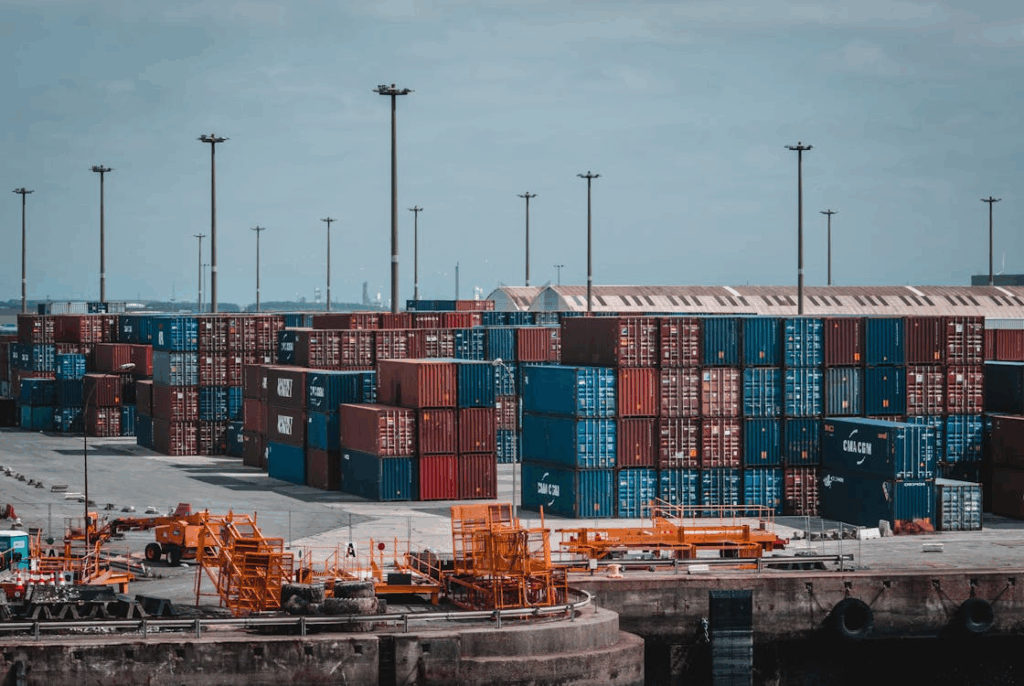
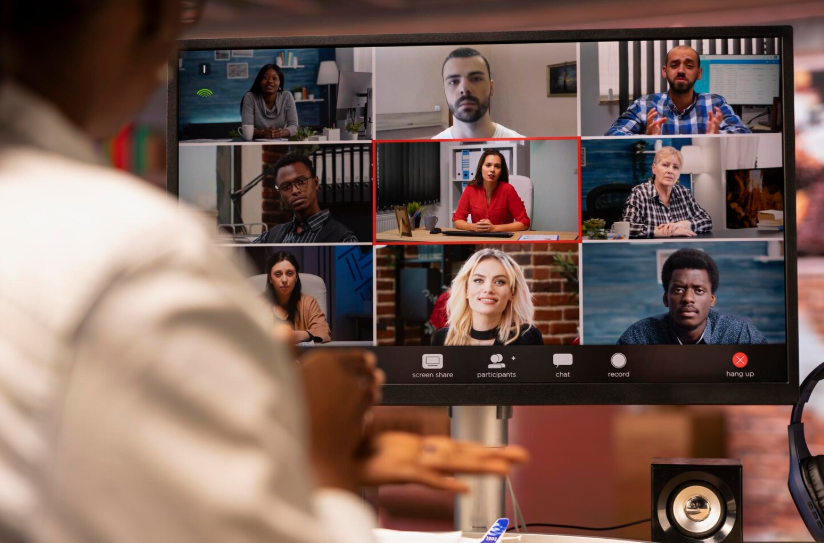
One of the most significant breakthroughs of 2025 is the ability to translate in real-time across voice, video, and chat platforms. Multinational teams can collaborate instantly, regardless of language differences. Sales teams can pitch clients in their native tongues. Executives can conduct cross-border meetings without the need for interpreters. Even logistics coordination between factories, suppliers, and transportation hubs is faster with instant translation tools.
This real-time communication provides companies with a significant competitive advantage. Misunderstandings decline, negotiations move faster, and teams can make time-sensitive decisions without waiting for manual translation. Industries such as manufacturing, healthcare, travel, and finance particularly benefit from this speed, where even minor delays can disrupt operations.
For small and medium-sized enterprises, real-time translation is a game-changer. Businesses previously limited by language barriers can now compete on a global stage, collaborating with partners and customers they never could have reached before.
For a wider view of automation and AI, check out Global Labor Markets in Flux: Remote Work, Automation, and Migration.
Transforming International Marketing and Localization
Marketing across cultures has always required a delicate blend of translation and adaptation. AI now plays a crucial role in helping brands tailor their messaging to different regions with far greater efficiency. Advanced models not only translate text but also understand tone, cultural nuance, and emotional resonance.
Global companies use AI to localize content for social media, advertising campaigns, product packaging, and user interfaces. These tools help adjust humor, references, and sentiment to match local expectations, reducing cultural missteps and strengthening brand credibility.
Still, AI isn’t replacing human insight; it is enhancing it. Creative teams use AI-generated translations as a starting point, refining them to ensure cultural sensitivity and brand consistency. The collaboration between human marketers and AI tools streamlines global messaging while maintaining authenticity.
Challenges: Accuracy, Bias, and the Limits of Automation
Despite significant progress, AI translation has its limitations. Some languages, especially those with limited digital resources or complex grammatical structures, still struggle with lower accuracy. Highly technical documents or legal contracts may require human oversight to avoid critical misinterpretations. Cultural nuance, sarcasm, and emotionally charged language can also pose challenges.
Bias remains an ongoing concern. AI models trained on skewed datasets can reinforce stereotypes or produce inaccurate translations based on flawed assumptions. Businesses must utilize tools that are built with robust ethical guidelines and undergo continuous quality audits.
Data privacy is another issue. Companies handling sensitive information must ensure their translation systems securely process text without exposing proprietary or personal data. As AI translation becomes more integrated into business operations, secure and trustworthy systems are essential.
See AI Regulation: Who’s Setting the Global Rulebook? for how policymakers respond to rapidly evolving AI.
A Future Where Language No Longer Limits Opportunity
AI-powered translation is reshaping global business by removing one of humanity’s oldest barriers: language. Companies in 2025 operate in a world where communication is faster, more inclusive, and more scalable than ever. As technology continues to evolve, the dream of frictionless global collaboration moves closer to reality.
In the years ahead, businesses that adopt advanced translation tools will unlock new markets, foster stronger international partnerships, and cultivate more diverse and connected teams. Language may once have been a barrier, but in the modern global economy, it is becoming a strategic bridge.