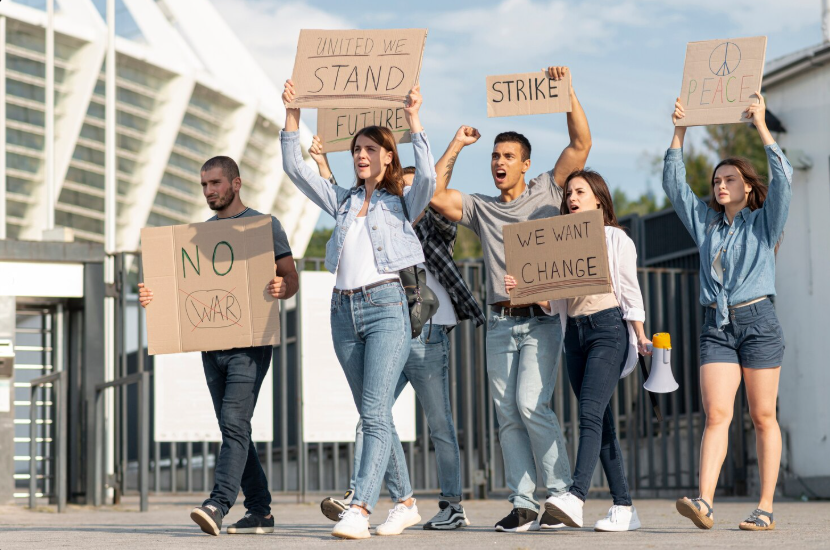
Global protest movements have become one of the most potent expressions of public sentiment in 2025. Across continents, people are taking to the streets and to digital spaces to demand accountability, justice, and reform.
A complex mix of economic pressures, political discontent, social inequality, climate anxiety, and digital mobilization drives these movements. While each protest is rooted in local issues, a common thread connects them: the growing expectation that institutions must respond to public demands more quickly and transparently than ever before.
Today’s social movements are not isolated events. They are part of a global pattern reflecting profound shifts in how people engage with their governments, workplaces, and communities. Understanding these movements requires exploring both the causes behind them and the technologies amplifying their voices.
Economic Stress and Rising Inequality Fueling Public Frustration
Economic conditions are a major driver of global protests. Inflation, stagnant wages, and widening wealth gaps have placed pressure on households in both developing and developed nations. In many cities, soaring housing costs and limited job opportunities have triggered large-scale demonstrations demanding economic reforms, rent controls, and better labor protections.
Protests have surged in regions where austerity measures or subsidy cuts threaten vulnerable populations. In some countries, high youth unemployment has created a generation of frustrated citizens eager to challenge political and economic leadership. These financial pressures often evolve into broader movements that call for systemic change, not just short-term relief.
As economic recovery remains uneven worldwide, social movements centered on fairness and opportunity continue to grow in scope and intensity.
See Tracking Global Inflation: Where Prices Are Rising Fastest for more on the price pressures fueling public anger.
Political Discontent and Demands for Democratic Accountability
Political dissatisfaction remains one of the most common catalysts for protest movements. Citizens in multiple regions are pushing back against corruption, authoritarianism, and election irregularities. Calls for democratic reform have intensified as governments restrict freedoms, manipulate electoral processes, or silence critics.
Mass mobilizations in parts of Africa, Latin America, and Eastern Europe reflect a widespread demand for greater transparency and accountability. In countries facing contested elections, protesters are demanding electoral oversight, independent courts, and freedom of the press. Even in established democracies, citizens are organizing to address polarization, governance failures, and frustration with political gridlock.
Digital activism has expanded these movements beyond local borders, allowing diaspora communities, advocacy groups, and international supporters to amplify demands for political change.
Check out The Future of Food: Global Shifts in Agriculture and Diet to see how supply stress sparks activism.
Climate Activism and Environmental Movements on the Rise
Climate-related protests continue to grow as extreme weather, resource scarcity, and environmental degradation affect more communities. In 2025, youth-led climate movements remain highly influential, but they are joined by farmers, coastal residents, Indigenous groups, and workers facing climate-related job transitions.
Protesters are targeting government inaction on emissions, inadequate climate adaptation plans, and environmentally harmful projects. Water shortages, wildfires, and displacement have transformed climate activism from a long-term moral cause into an urgent, practical demand for survival.
These climate-driven movements are increasingly interconnected. Activists across continents collaborate on campaigns, share strategies online, and coordinate global protest days to pressure world leaders and corporations.
Check out Climate Migration: The Quiet Story Behind Border Tensions to explore how climate stress links to protest.
Technology and Social Media: Mobilizing Protests in Real Time
Digital platforms have revolutionized the speed and scale of mobilization. Social media enables organizers to share information instantly, coordinate large groups, and document events in real time. Video evidence from protests can quickly spread worldwide, shaping public opinion and drawing international attention to local grievances.
Encrypted messaging apps help protesters evade surveillance in restrictive regimes, while digital tools like live-mapping allow real-time updates on safe routes and police movements. However, digital mobilization has risks: misinformation, surveillance technologies, and internet shutdowns increasingly challenge activists in politically sensitive environments.
Despite these obstacles, technology remains a critical tool for global movements—expanding their reach and strengthening their resilience.
To understand how Gen Z drives movements, read Generational Change: What Gen Z Believes Around the World.
A New Era of Globalized Social Movements
Social movements in 2025 are increasingly interconnected across borders. Activists share strategies, symbols, and narratives online, creating global solidarity networks. Causes such as climate justice, racial equality, women’s rights, and anti-corruption efforts transcend national boundaries, becoming part of a broader conversation about human rights and social equity.
At the same time, governments are adapting. Some respond with reforms, while others use surveillance, legal restrictions, or force to suppress dissent. This dynamic creates a global tension between rising civic engagement and tightening institutional control.
The movements shaping today’s world reflect a new era in which citizens expect more voice, more transparency, and more accountability from their institutions. As long as economic and political pressures persist, global protests will continue to shape policy, influence elections, and redefine civic participation.