
Climate tech startups have shifted from a niche sector to a global economic force in 2025. As nations strive to meet ambitious emissions targets and businesses face growing pressure from consumers and regulators, startups are emerging with innovative solutions that traditional industries struggle to match.
These young companies are reshaping energy, manufacturing, agriculture, and transportation, often with technologies that promise to redefine how the world produces, moves, and consumes resources.
With massive investment flowing into sustainability-focused technologies, climate tech is no longer just about environmental responsibility; it is also about economic viability. It is about competitive advantage. Startups are building the tools and platforms that will power the next century of industrial growth.
The Energy Revolution: Startups Leading the Shift to Clean Power
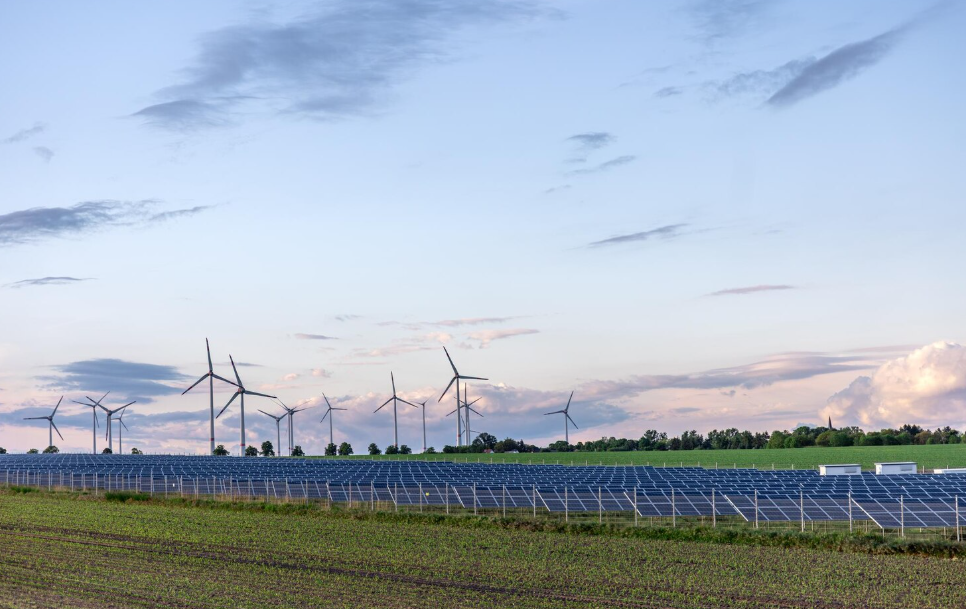
Energy transition is one of the biggest drivers behind the climate-tech boom. Startups worldwide are developing solutions that make renewable power cheaper, more reliable, and more scalable.
Battery innovation is at the forefront. New companies are developing long-duration energy storage systems that can stabilize grids reliant on solar and wind power. These systems help nations reduce their reliance on fossil fuels by storing excess energy for use during periods of peak demand or adverse weather conditions.
Other startups focus on distributed energy generation, offering rooftop solar systems, microgrids, and community-owned energy platforms that empower regions with unstable grids. Some are developing next-generation nuclear technologies, such as small modular reactors and fusion prototypes, that aim to deliver carbon-free power with unprecedented safety and efficiency.
These innovations are helping governments and corporations accelerate decarbonization plans that once seemed out of reach.
For a broader look at the clean energy race, read The Green Energy Race: Who’s Winning on Renewables?
Reinventing Manufacturing With Low-Carbon Innovation
Climate tech is transforming manufacturing by enabling cleaner production processes, improved materials, and more efficient resource utilization. Startups in advanced materials are developing alternatives to steel, concrete, and plastics. These materials are responsible for a significant portion of industrial emissions.
For example, companies using bio-based inputs are producing durable composites that replace petroleum-based plastics. Others are creating low-carbon cement using recycled industrial byproducts or capturing CO₂ from the atmosphere to integrate into building materials.
Industrial AI platforms are also playing a role, helping factories monitor energy usage, optimize supply chains, and reduce waste. These tools enable more sustainable production while lowering operating costs. This is a win-win that attracts both investors and large corporate partners. The result is a manufacturing sector gradually transitioning toward cleaner, more innovative, and more sustainable models.
Explore The Power of Global Philanthropy to see how big donors accelerate climate solutions worldwide today.
Climate-Smart Agriculture: Feeding the World With Technology
Agriculture is one of the sectors most vulnerable to climate disruption, and startups are stepping in with solutions that make food production more resilient. Climate-tech innovators are developing drought-resistant crops, precision farming systems, and AI-powered tools that help farmers manage soil health and water usage more effectively.
Vertical farming startups are building climate-controlled facilities that produce crops with minimal land and water. These urban farms help reduce supply-chain emissions and ensure food security for growing cities. Meanwhile, biotech companies are creating sustainable fertilizers and soil microbes that reduce reliance on chemicals and increase crop yields.
The livestock industry is also transforming. Companies are developing methane-reduction solutions, alternative proteins, and improved feed additives that drastically cut emissions from cattle and poultry. Together, these innovations offer sustainable paths forward for a global agricultural system under immense strain.
Check out The Future of Food: Global Shifts in Agriculture and Diet for more on food systems under pressure.
Transforming Transportation and Mobility
Transportation remains a significant contributor to global emissions, and startups are developing technologies to electrify, decarbonize, and optimize the mobility sector. Electric-vehicle startups continue to push battery technology forward, offering longer-range vehicles at lower prices. Meanwhile, companies specializing in EV charging are expanding ultrafast networks and creating smart grids that balance energy loads.
Aviation and shipping—two of the most demanding industries to decarbonize—are also seeing breakthroughs. Startups are testing sustainable aviation fuels, hydrogen-powered aircraft, and hybrid electric systems. In shipping, new companies are designing cleaner fuels, next-generation propulsion systems, and autonomous vessels that reduce emissions.
On the ground, urban mobility startups are developing electric micro-transport options, smart traffic management systems, and logistics tools that reduce congestion and pollution in crowded cities. These innovations create cleaner transport networks that support global trade and sustainable urban development.
To place these shifts in a wider global context, see The Future Timeline: 10 Global Trends to Watch This Decade.
A New Industrial Era Driven by Climate Innovation
Climate tech startups are doing more than solving environmental problems. They are redefining the global industry. Their innovations give companies the tools to reduce emissions while increasing profitability, resilience, and competitiveness. As investment and policy support continue to rise, these startups will play an even larger role in shaping the world’s future infrastructure.
In 2025, climate tech is not just an environmental movement; it is the foundation of a new industrial economy.