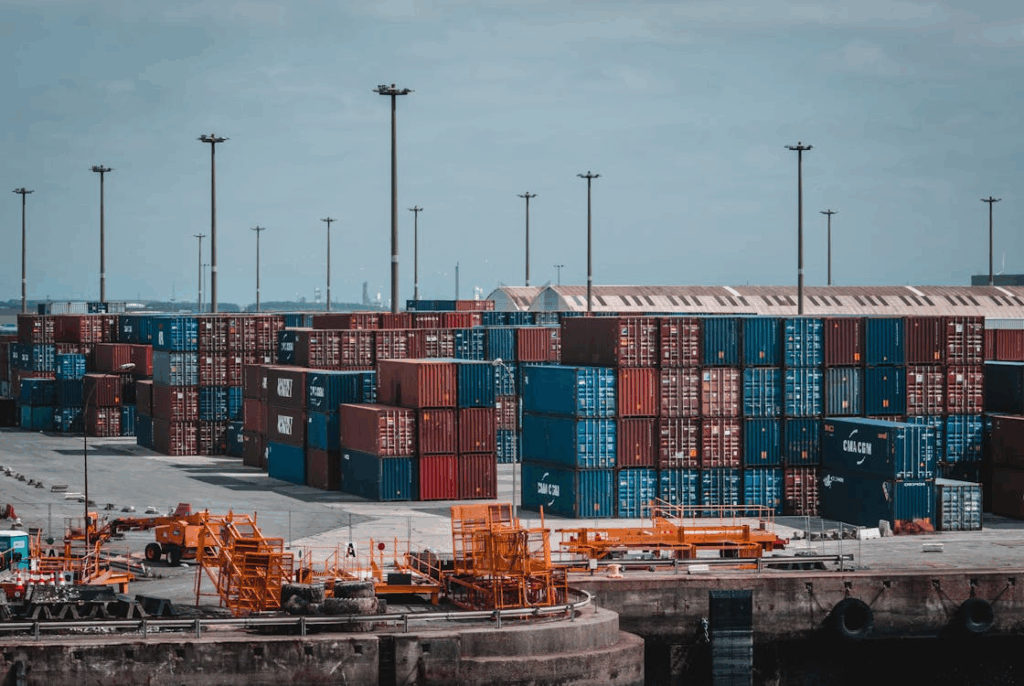

Global supply chains are more complex than ever, stretching across continents, involving thousands of suppliers, and operating in an environment shaped by geopolitical tension, climate instability, and fluctuating consumer demand.
In 2025, traditional forecasting methods will no longer be sufficient to anticipate disruptions or prevent shortages. Instead, artificial intelligence has become an essential tool for predicting risks before they materialize, helping companies and governments build more resilient and responsive supply networks.
AI-driven supply chain systems analyze vast amounts of data in real time, from shipping logs and weather patterns to economic indicators and social trends. These tools uncover patterns that humans might overlook and alert organizations to potential bottlenecks long before shortages occur. In a world where a single delay can cascade across multiple industries, predictive AI has become a cornerstone of global logistics.
The Data Behind the Predictions: From Satellites to Sensors
AI’s forecasting power depends on the enormous volume of data it can digest. In 2025, supply chain AI systems integrate information from diverse sources, including satellite imagery that shows port congestion, IoT sensors monitoring factory output, weather forecasts that predict storm impacts, and market data tracking price fluctuations.
This data fusion allows AI to detect early warning signs. For example, satellite images of a key shipping channel can reveal crowded lanes that might delay shipments weeks before ports issue official notices. Similarly, sensors in warehouses can detect unusual inventory patterns that hint at rising demand or potential shortages.
By analyzing data across global networks, AI provides visibility far beyond what any single organization could achieve on its own.
For more on crisis response, read Natural Disasters and the Age of Real-Time Response.
Predicting Disruption Before It Happens
One of AI’s greatest strengths is its ability to identify emerging risks before they escalate. Machine-learning models track correlations between seemingly unrelated factors, such as labor strikes, political unrest, crop failures, or energy shortages, to forecast how they might affect supply chains.
For instance, AI systems can predict shortages of raw materials by analyzing mining output, export reports, and environmental conditions. Agricultural supply forecasts benefit from models that analyze rainfall patterns and soil health, enabling companies to warn of potential food shortages months in advance. Even consumer behavior plays a role: AI detects sudden spikes in search trends, social media activity, or retail demand that could lead to unexpected product shortages.
Companies use these predictions to prepare contingency plans, source alternative suppliers, or increase safety stock before shortages affect production.
See Tracking Global Inflation: Where Prices Are Rising Fastest for a closer look at global volatility shaping supply chains.
Automation and Real-Time Response During Crises
Predicting shortages is only half of AI’s value. The ability to respond to shortages quickly is equally important. By 2025, advanced AI systems will be able to recommend immediate actions in response to disruptions. These systems analyze potential scenarios, model their outcomes, and suggest the best course of action, such as redirecting shipments, adjusting production schedules, or leveraging alternate transport routes.
During extreme weather events, for example, AI platforms can model the storm’s path, identify threatened transport routes, and automatically reroute shipments to minimize delays. In manufacturing, AI tools adjust production plans in real time when parts become unavailable, preventing costly shutdowns.
This agility enables organizations to maintain continuity even in the face of unexpected events. This is a situation that was far more challenging before the widespread adoption of predictive AI.
To understand who sets the rules, check out AI Regulation: Who’s Setting the Global Rulebook?
Transforming Global Logistics Through Collaboration
The effectiveness of AI improves when supply networks share information. More companies are forming data-sharing alliances that allow logistics partners, manufacturers, and retailers to collaborate without compromising proprietary information. These networks enable AI systems to make more accurate predictions across entire industries, rather than just isolated businesses.
Governments are also participating by providing access to customs data, infrastructure updates, and trade statistics. International agencies use AI to monitor global food supply, pharmaceutical distribution, and energy flows, identifying vulnerabilities that could lead to humanitarian or economic crises. This collaborative approach reflects a shift from reactive crisis management to proactive risk prevention on a global scale.
Don’t miss The Billion-Dollar Data Industry: How Your Info Fuels the World Economy for insights on how data impact economies.
The Future: AI That Anticipates Instability Before It Starts
AI’s ability to predict shortages will only grow stronger. As sensors, satellites, and analytics continue to improve, supply chain AI will increasingly anticipate risks months or even years in advance of their impact on production. Early-warning systems will enable businesses and governments to address vulnerabilities well before they escalate, thereby creating more stable and sustainable supply networks.
However, reliance on AI also brings challenges. Overdependence on automated systems, data privacy concerns, and unequal access to predictive tools could create digital divides between advanced and developing economies. Ensuring transparency, upholding ethical standards, and providing fair access will be essential as AI becomes increasingly integrated into global logistics.
Still, the trend is undeniable: AI is transforming supply chains from reactive systems into predictive engines capable of foreseeing shortages long before they disrupt the world.