
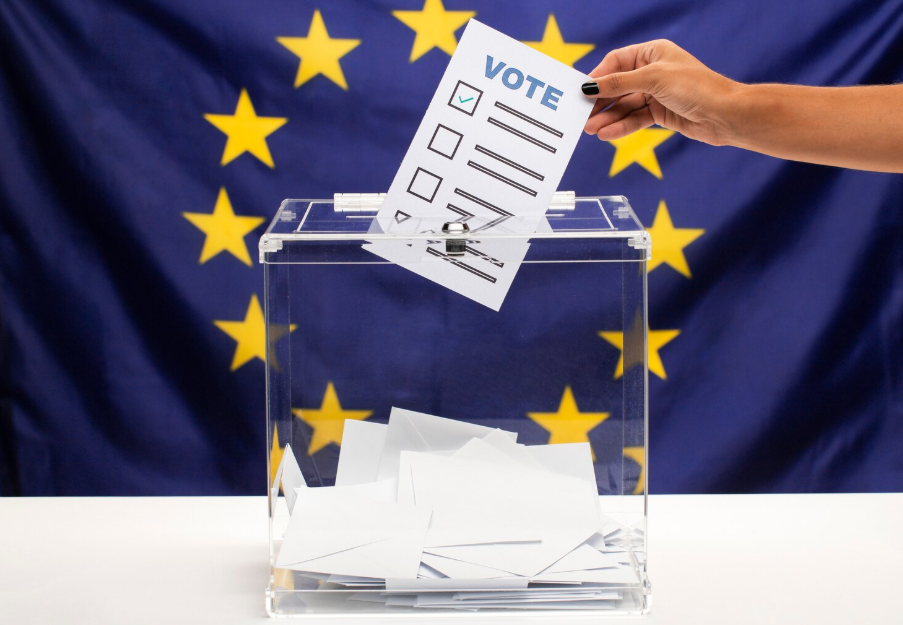
The following two years are shaping up to be one of the most consequential electoral cycles in recent memory. As dozens of nations head to the polls, global elections 2025-26 unfold against a backdrop of shifting alliances, economic uncertainty, and rising geopolitical tensions.
From regional powerhouses to emerging democracies, elections in 2025–26 have the potential to redefine borders, trade relationships, and global security priorities. Many of these contests are not just about leadership; they are also about teamwork and collaboration. They are about the direction of entire regions in a rapidly changing world.
As voters prepare to make pivotal decisions, international observers are closely monitoring the process. The balance of power in Europe, Asia, Africa, and the Americas could look dramatically different by the end of 2026, depending on how key national elections unfold.
United States: A Pivotal Election with Global Consequences
The U.S. presidential election remains the most globally influential vote, and in 2025–26, its significance is amplified by geopolitical instability, economic shifts, and debates over America’s role abroad. Allies and rivals alike are watching for signals about future foreign policy: support for Ukraine, relations with China, and commitments to NATO could all hinge on the outcome.
Economic policy is another major factor. With inflation, trade realignment, and manufacturing reshoring underway, global markets anticipate how Washington’s next administration will shape tariffs, technology restrictions, and energy strategies. Regardless of who wins, the election will have a profound impact on global supply chains, security alliances, and diplomatic negotiations.
To see how elections affect global shifts, check out The Future Timeline: 10 Global Trends to Watch This Decade.
India: Leadership at a Crossroads in the World’s Largest Democracy
India’s next general election carries immense weight for both domestic and international agendas. As one of the fastest-growing global economies, the country’s leadership will shape its future trajectory in technology, defense cooperation, and regional influence.
Voters will weigh issues such as youth unemployment, rising living costs, and progress on infrastructure. Globally, India’s stance on partnerships with the U.S., Europe, and its balancing act with China will be watched closely. As India is a key player in Indo-Pacific strategy, its electoral outcome could significantly impact military cooperation, trade partnerships, and diplomatic priorities throughout Asia.
Additionally, India’s emergence as a tech and manufacturing hub means any political shift could affect global companies seeking alternatives to China. The election’s results will likely set the tone for its economic ambitions through 2030.
Read Tracking the World’s Most Powerful Emerging Economies for another angle on rising influence.
Nigeria: A Critical Election in Africa’s Most Populous Nation
Nigeria’s upcoming election is poised to influence stability across West Africa, a region facing economic challenges and rising security threats. As Africa’s largest economy and a vital regional leader, Nigeria’s political trajectory has a direct impact on neighboring nations and major international partners.
Key voter concerns include inflation, employment opportunities, and the battle against insurgent groups in the north. Meanwhile, international investors are watching Nigeria’s economic reforms, including moves to boost local manufacturing and attract foreign capital. Leadership change or its absence will shape everything from energy development to regional counterterrorism cooperation.
As Nigeria plays a pivotal role in the African Continental Free Trade Area (AfCFTA), the election could significantly impact economic integration efforts and long-term development strategies across the continent.
To explore the role of media coverage, don’t miss The Global Rise of Independent Journalism.
The European Union: A Wave of Elections Testing Unity
Multiple EU countries will hold national elections in 2025–26, and together they could reshape the bloc’s political landscape. Nations such as France, Germany, and Poland will test the direction of European integration, migration policy, and military modernization in response to global conflict.
Rising populist movements are expected to challenge mainstream parties on issues ranging from climate policy to energy costs. If enough governments shift toward nationalist platforms, the EU may find itself navigating new tensions over unity, funding priorities, and shared foreign-policy objectives.
At the same time, pro-EU leadership victories could strengthen common defense initiatives and accelerate green-energy collaboration. The combined outcomes of these elections will have lasting consequences for Europe’s cohesion and global influence.
To explore the role of public sentiment, see Tracking Global Protests: What’s Driving Social Movements Today.
A Global Realignment in Motion
Across continents, elections in 2025–26 represent more than leadership changes. They signal broader geopolitical realignment. Nations are reassessing alliances, redefining economic strategies, and preparing for an era of heightened complexity. While each election reflects local concerns, together they form a global picture of shifting power and evolving priorities.
The following two years will shape international relations for the rest of the decade. As results unfold, the world will watch closely to understand which regions emerge more unified, which face deeper division, and how new leadership will guide global cooperation or confrontation.