
Education in 2025 looks vastly different from the traditional classroom model that dominated for centuries. The rise of global micro-learning, digital platforms, mobile devices, and AI-powered tools has brought learning into every corner of daily life.
One of the most transformative trends is micro-learning, the use of short, focused educational modules that can be completed in minutes rather than hours. This shift is transforming global education systems, providing millions of people with access to fast, flexible, and personalized learning experiences.
Micro-learning is not just a convenience; it’s a response to the modern world’s changing demands. As industries evolve rapidly and attention spans shift, learners of all ages seek information that is relevant, digestible, and immediately applicable. Governments, universities, and employers are adopting this model to develop future-ready skills and promote lifelong learning.
Why Micro-Learning Fits the Way People Learn Today
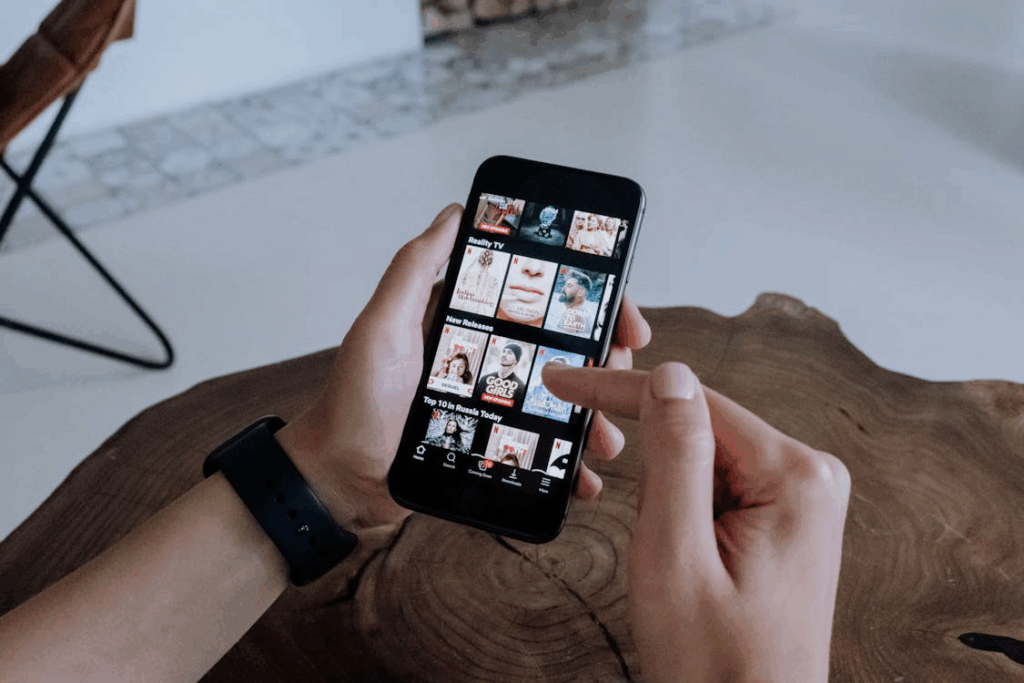
Micro-learning works because it aligns with how people use technology and consume information. Short videos, interactive quizzes, infographics, and single-concept lessons enable learners to incorporate education into their busy schedules. Instead of committing to long study sessions, users complete modules during daily routines, such as on commutes, work breaks, or at home.
This approach improves retention by focusing on specific skills or knowledge points. Learners can immediately apply what they learn, making the process more rewarding and relevant. For workers who need to update their skills quickly, microlearning offers a practical solution that integrates seamlessly into fast-paced professional environments.
As global internet access expands and mobile device use increases, micro-learning has become one of the most accessible forms of education worldwide.
Explore The Digital Divide: Internet Access Gaps Around the Globe to understand today’s learning gaps.
AI and Personalization Transforming Digital Education
AI plays a significant role in the growth of micro-learning. Intelligent platforms analyze user behavior, learning preferences, and performance to create personalized learning paths that cater to individual needs. These systems recommend modules based on skill gaps, career goals, or past activity, much like streaming platforms recommend movies or music.
AI tutors can break down complex topics into smaller segments, offer real-time feedback, and adjust the difficulty of content to match a learner’s progress. This personalized approach helps overcome the limitations of traditional education, which often employs a one-size-fits-all approach. It also benefits learners who previously struggled with rigid academic environments or who require individualized support.
In 2025, employers will increasingly rely on AI-driven micro-learning systems for professional development, ensuring workers can efficiently learn new technologies and best practices.
To see how language tools support cross-border learning, read The Rise of AI-Powered Translation in Global Business.
Micro-Learning’s Role in Expanding Global Education Access
Micro-learning helps close education gaps in regions where traditional infrastructure is limited. In many parts of Africa, South Asia, and Latin America, mobile-based learning platforms offer lessons in local languages and flexible formats. These modules support students who face barriers such as long travel distances, school shortages, or economic constraints.
Governments and NGOs leverage micro-learning for basic literacy, health education, and workforce training. Farmers access modules on crop management, entrepreneurs learn digital skills, and healthcare workers receive rapid training on disease prevention and control. Microlearning’s flexibility ensures that vital knowledge reaches even the most remote or underserved populations.
This democratization of education empowers individuals with skills that directly enhance their livelihoods and contribute to community development.
See Global Labor Markets in Flux: Remote Work, Automation, and Migration for a look at how skills and work are changing.
Lifelong Learning: The New Global Standard
The shift to micro-learning aligns with a larger movement toward lifelong education. As technology reshapes industries, workers must continually update their skills to remain competitive. Traditional degrees no longer guarantee long-term career stability, and employers increasingly value practical, up-to-date expertise.
Micro-learning supports lifelong learning by offering continuous, modular skill development. Professionals can acquire new competencies on demand, learning at their own pace without leaving the workforce. This flexibility enables workers to remain resilient in an ever-evolving job market.
Universities are adapting as well. Many now offer micro-credentials, online certificates, and stackable courses that allow students to build qualifications incrementally. This hybrid approach blends academic rigor with digital convenience.
Check out The Language of the Internet: Which Tongues Are Rising? to explore how online content is shifting.
A Global Educational Model Built for the Future
Micro-learning signals a bigger shift toward learner-driven education. It puts accessibility, efficiency, and adaptability first—exactly what people need when knowledge changes fast. Traditional schools still matter for foundations, but micro-learning sits beside them, sharpening real-world skills and keeping workers up to date.
As countries pour resources into digital infrastructure and AI-powered platforms, micro-learning will reach more students and professionals than ever before. In 2025, education is entering a new era that lets people learn anywhere, at any time, and at a pace that actually fits their lives.