
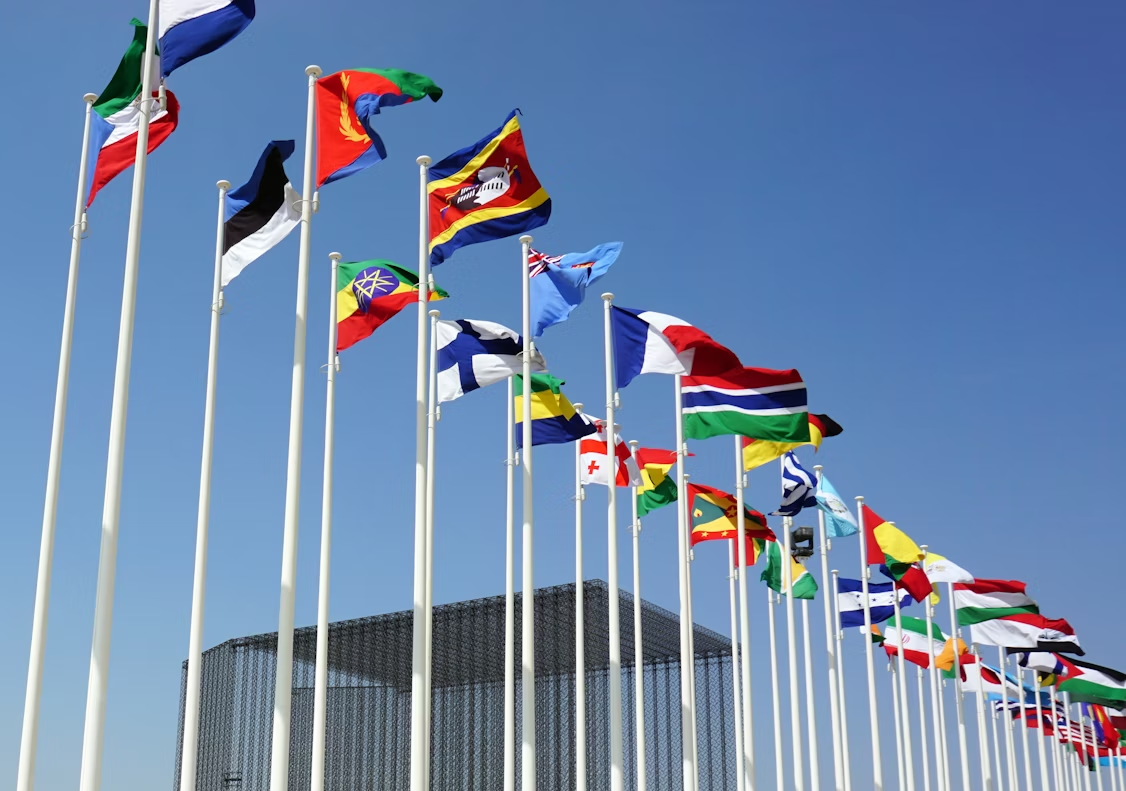
Global leadership is entering a period of rapid transition, with rising political figures shaping new alliances, economic strategies, and security priorities.
In 2025, the international stage is defined not only by established power players but also by emerging leaders whose decisions will influence diplomacy, markets, and regional stability for years to come. These individuals are steering countries through volatile economies, technological disruptions, and shifting geopolitical landscapes, making their leadership essential to monitor closely.
As new elections unfold, old alliances are tested, and global crises evolve, these leaders stand at the forefront of shaping the next era of international policy and cooperation. Their actions may determine the pace of economic recovery, the direction of climate commitments, and the stability of entire regions.
Giorgia Meloni: Solidifying Italy’s Global Footprint
Giorgia Meloni is now one of Europe’s most closely watched leaders. She uses a firm, outspoken foreign policy style. At the same time, her government tries to balance nationalist promises with Italy’s role in EU economic and defense plans.
Meloni has stepped into bigger debates on migration, energy security, and ties with China. She aims to keep domestic politics stable while dealing with pressure from Brussels and other European capitals. How well she manages both fronts will shape Italy’s weight inside the EU.
Other governments are watching her next moves carefully. Will she stay closely aligned with Western partners or choose a more independent course? Her decisions in 2025 could shift influence within the EU and test European unity.
See Elections That Could Redefine the Global Map in 2025-26 for how upcoming votes reshape leverage.
Narendra Modi: Expanding India’s Global Role
Prime Minister Narendra Modi remains a central figure in Asian geopolitics. Under his leadership, India is pushing to become a global leader in both economic growth and technology. His government has accelerated manufacturing ambitions and rapidly expanded digital infrastructure. It has also deepened strategic ties with partners across the Indo-Pacific.
In 2025, Modi’s decisions are crucial for regional security. India must manage tensions with China and protect its influence in South Asia. Choices on defense partnerships, trade deals, and energy independence will have global ripple effects.
Modi is also shaping policy on AI regulation, semiconductor investment, and renewable energy. These moves position India as a key counterweight to China in global supply chains. As India’s power grows, allies and rivals are watching its next steps closely.
Check out Tracking the World’s Most Powerful Emerging Economies to see how India is gaining influence.
William Ruto: Steering Kenya Into Regional Leadership
Kenya’s President William Ruto has become a leading voice for African development. He focuses on climate resilience, economic modernization, and long-term growth. Under his leadership, Kenya is investing in green energy, digital finance, and regional trade. Many see this strategy as a model for emerging African economies.
Ruto is also active on the diplomatic stage. His outreach across Africa and beyond strengthens Kenya’s reputation as a stabilizing force in East Africa. The region faces security threats, rapid urbanization, and climate-driven migration, making his role even more important. He pushes for fair global financing and stronger climate adaptation plans.
Ruto’s rising international profile shows that Kenya is set to play a bigger role in global policy discussions in 2025 and beyond.
Sheikh Mohammed bin Zayed Al Nahyan: Influencing Middle Eastern Stability
The UAE’s President, Sheikh Mohammed bin Zayed (MBZ), remains one of the most influential leaders in the Middle East. Under his direction, the UAE has expanded its diplomatic footprint, strengthened economic partnerships, and accelerated innovation across various sectors, including renewable energy, artificial intelligence, and tourism.
MBZ’s strategic balancing between Western allies and regional powers helps shape Middle Eastern diplomacy. From energy markets to defense agreements, his decisions carry global implications. The UAE’s growing role in humanitarian relief, investment projects, and space exploration also elevates its international profile.
As regional conflicts evolve and energy markets shift, MBZ’s leadership will be critical in maintaining stability and guiding the region toward economic diversification.
Also read The Future Timeline: 10 Global Trends to Watch This Decade to understand the forces leaders must navigate.
A Global Landscape Shaped by New Voices
These leaders, along with others rising in influence, represent a world where political, technological, and economic power is becoming more distributed. Their decisions will shape global priorities on climate action, trade, digital governance, and security. As the world navigates uncertainty and rapid change, these voices are likely to define the global agenda for the rest of the decade.