
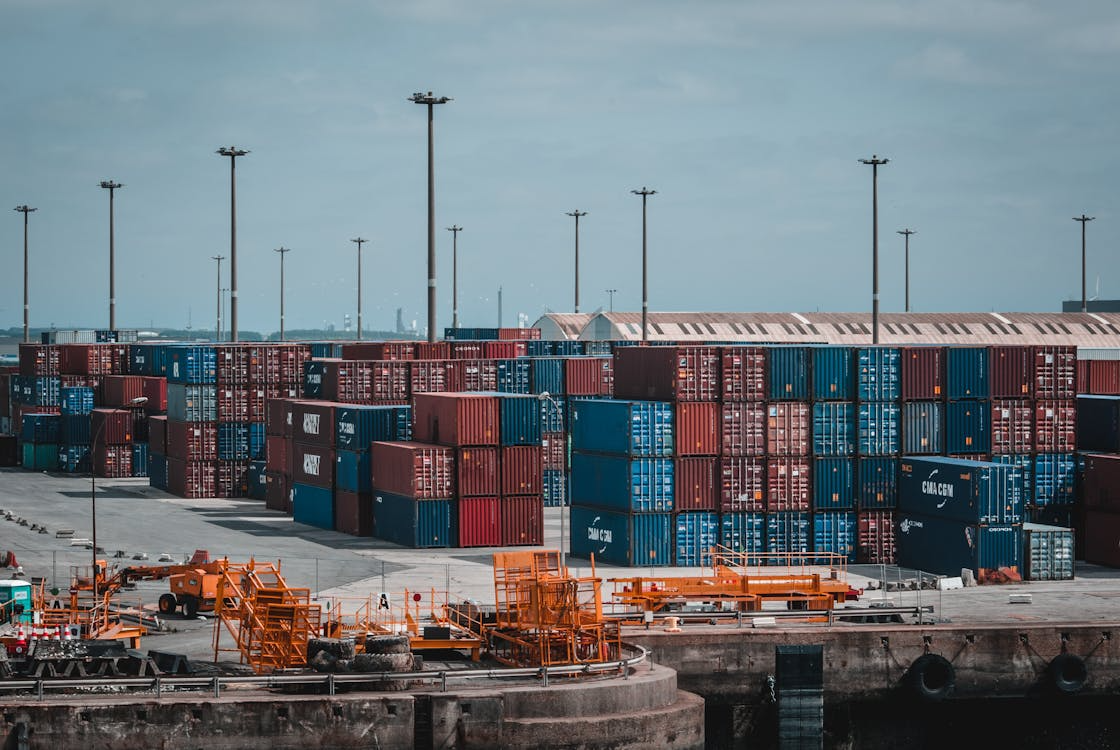
The last five years have reshaped global supply chains more dramatically than any period in recent history. What began as pandemic-driven shortages evolved into a broader reassessment of how nations source, manufacture, and transport essential goods and services.
By 2025, global supply chain resilience will be undergoing a sweeping rebuild characterized by diversification, nearshoring, automation, and new geopolitical realities. The world is no longer simply recovering; it is reengineering the process of moving products from raw materials to market.
This transition affects everything from consumer electronics to food security. Nations are adjusting their trade routes, companies are reevaluating their production hubs, and governments are investing in resilience to withstand future disruptions. The supply chain of the future is being built now, shaped by lessons learned from crisis and the shifting balance of global power.
From Reliance to Resilience: Diversifying Global Production
One of the most notable trends in the post-crisis landscape is an aggressive shift toward diversification. For decades, businesses centered production in a handful of low-cost countries, assuming efficiency mattered more than redundancy. The pandemic shattered that assumption.
Companies across the U.S., Europe, and Asia are now spreading manufacturing across multiple regions to mitigate risk. Southeast Asian nations, such as Vietnam, Malaysia, and Thailand, have seen significant growth as firms shift production away from dependence on a single country. Mexico and Eastern Europe are gaining traction as nearshoring destinations due to proximity benefits and faster logistics.
This distributed approach doesn’t eliminate risk, but it reduces the chance of systemwide failure when one region faces disruption. It also strengthens regional economies and encourages long-term investment in infrastructure and worker training.
See How Supply Chain AI Predicts the Next Shortages for a closer look at AI-powered logistics forecasting.
New Trade Routes for a New Era of Geopolitics
Geopolitics now shapes supply chains as much as economics. Tensions between major powers, especially the U.S. and China, have prompted nations to reassess the security of key goods, including semiconductors, medical supplies, and critical minerals.
As a result, governments are promoting alternative trade corridors. India and the Middle East are developing new rail and shipping routes that bypass traditional choke points. African nations are investing in ports, free-trade zones, and cross-border rail lines to position themselves as future logistics hubs. The Arctic, with its expanding navigable waters due to climate change, is emerging as a potential new shipping frontier, though one fraught with geopolitical competition.
These evolving routes signal a global shift toward multipolar trade networks that are less vulnerable to political or military disruptions.
For another angle on how supply chains, check out The Future of Food: Global Shifts in Agriculture and Diet.
Technology Driving the Next Generation of Supply Chain Efficiency
Automation, robotics, and artificial intelligence are transforming supply chains into more intelligent and more adaptive systems. In 2025, companies will increasingly rely on predictive analytics to monitor inventory levels, anticipate shortages, and optimize shipping schedules long before problems arise.
Advanced robotics in warehouses reduces packing and sorting times, while autonomous vehicles and drones play growing roles in last-mile delivery. Some major retailers now operate AI-driven “dark warehouses” with minimal human presence, enabling continuous, high-speed operations.
Blockchain technology also supports greater transparency. By tracking goods from origin to delivery, businesses can quickly identify where delays occur, verify authenticity, and ensure compliance with environmental and labor standards. These innovations not only improve efficiency but also enhance resilience—the new priority in global logistics.
Explore Tracking Global Inflation: Where Prices Are Rising Fastest to understand inflation trends and supply chain costs.
Rebuilding Doesn’t Mean Returning to the Old Model
The post-pandemic supply chain rebuild is not about restoring the system as it once was; it is about creating something fundamentally different. Companies and governments are investing heavily in redundancy, flexibility, and environmental sustainability.
Green logistics is becoming a core component of supply chain redesign. More firms are transitioning to electric trucking fleets, optimizing shipping routes to minimize emissions, and incorporating sustainable materials into their packaging. As consumer expectations shift and regulations tighten, sustainability is becoming both a business advantage and a strategic necessity.
At the same time, workforce shortages have prompted companies to prioritize training, upskilling, and creating opportunities for employees to work alongside automation. The future supply chain is not just smarter—it is more human-centered in how labor and technology interact.
The world now understands that supply chains are not invisible systems running in the background. They are critical infrastructure. As nations continue to adapt, the systems being built today will shape global trade and economic stability for decades to come.