
Food systems around the world are undergoing sweeping transformation in 2025. Climate change, technological innovation, shifting consumer preferences, and geopolitical pressure are all reshaping how nations grow, distribute, and consume food.
As the future of global food systems evolves, countries are reevaluating traditional farming practices and adopting new strategies to develop resilient, sustainable, and nutritious food systems.
The future of food is no longer just about feeding people; it is about protecting ecosystems, strengthening supply chains, reducing waste, and ensuring equitable access to healthy diets. These changes are driving the development of new agricultural models, innovative food types, and higher expectations from consumers.
Climate-Resilient Farming in a Warming World
Climate change remains one of the greatest threats to global agriculture. Droughts, extreme heat, flooding, and shifting rainfall patterns are reducing yields and destabilizing farming communities. In response, countries are investing heavily in climate-resilient agriculture.
Precision farming technologies, including moisture sensors, satellite monitoring, and AI-driven forecasting, enable farmers to optimize water usage, manage soil health, and protect crops from pests and diseases. In regions like Sub-Saharan Africa and South Asia, drought-resistant seeds and heat-tolerant crop varieties are becoming essential tools for maintaining food security.
Some nations are adopting regenerative agriculture practices that restore soil health, increase biodiversity, and improve carbon sequestration. These methods not only benefit the environment but also improve yields over time, creating a more sustainable foundation for future food production.
For more on climate innovation, see How Climate Tech Startups Are Rewiring Global Industry.
The Rise of Alternative Proteins and Sustainable Diets
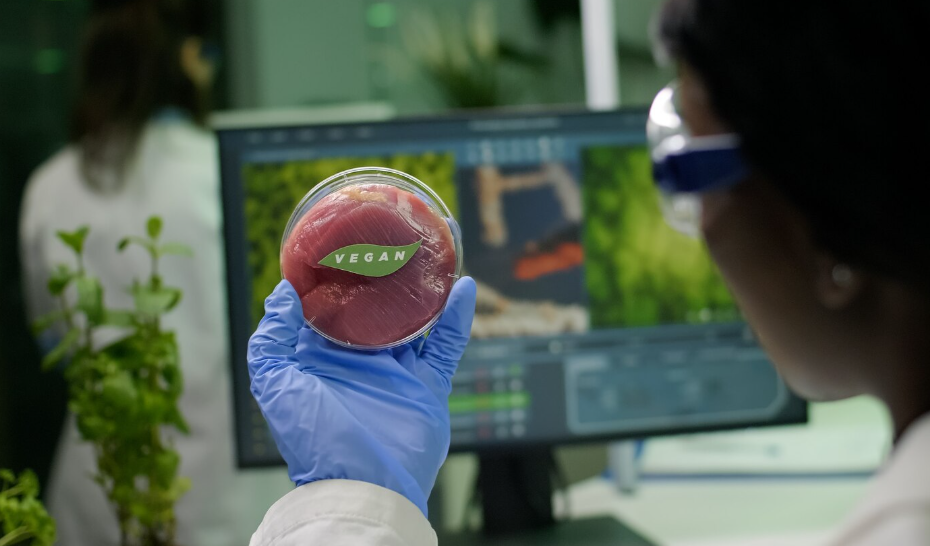
Consumer demand for sustainable food options is reshaping global diets. Plant-based proteins, insect foods, and lab-grown meat are rising as cleaner alternatives to traditional livestock.
Lab-grown meat, once pure science fiction, is now produced at commercial scale in some regions. It offers a lower-emission option compared to cattle and poultry. Plant-based products are also expanding as people look for healthier and more climate-friendly choices. Insect protein is gaining ground in Asia, Europe, and Africa thanks to its high nutrition and low environmental impact.
These changes reflect a larger shift toward climate-conscious eating. Younger generations are driving demand for transparency, better nutrition, and sustainability.
For a wider look at rebuilding critical networks, check out The Supply Chain Rebuild: Post-Pandemic to Post-Crisis.
Urban Agriculture and Vertical Farming: Transforming Cities
As cities grow and rural farmland faces increasing pressure, urban agriculture is emerging as a vital component of the global food supply. Vertical farms, which are high-tech indoor facilities that utilize LED lighting, hydroponics, and automated climate control, enable year-round crop production with minimal land and water requirements.
Cities like Singapore, Tokyo, and Dubai are leading the way in vertical farming innovation, while Europe and the U.S. are expanding rooftop gardens, community farms, and indoor agriculture centers. These urban systems reduce transportation emissions and provide fresh produce to densely populated areas with limited access to farmland.
Urban agriculture also creates economic opportunities, offering jobs and education programs that reconnect communities to local food production.
Read Global Cities Reinventing Urban Life to explore how cities adapt to new pressures.
Supply Chain Innovation: Reducing Waste and Improving Access
Global food supply chains are notoriously complex and vulnerable to disruption. In 2025, nations are adopting new tools to reduce waste and improve efficiency. Blockchain tracking systems help verify the origin of food products, ensuring transparency and reducing fraud. AI-powered logistics optimize delivery routes and cold-chain management to keep produce fresh longer.
Food waste remains a major global issue, with nearly one-third of all food produced going uneaten. New technologies, such as innovative packaging that monitors freshness and apps that redistribute surplus inventory, help redirect food to consumers, restaurants, and aid organizations, rather than landfills.
Governments and businesses are also investing in local food infrastructure to shorten supply chains, increase resilience, and boost regional food independence.
For more on modern logistics, don’t miss How Supply Chain AI Predicts the Next Shortages.
A Global Shift Toward Sustainable and Secure Food Systems
The future of food is about more than innovation; it is about building systems that can withstand climate change, support growing populations, and foster global equity. Nations are recognizing the need to diversify crops, invest in technology, protect workers, and ensure that healthy food is accessible to all socioeconomic groups.
As agriculture becomes increasingly data-driven, and as consumers demand transparency and sustainability, the world is shifting toward food systems that are smarter, more resilient, and more environmentally conscious. The changes happening today will define how the world eats for decades to come.